
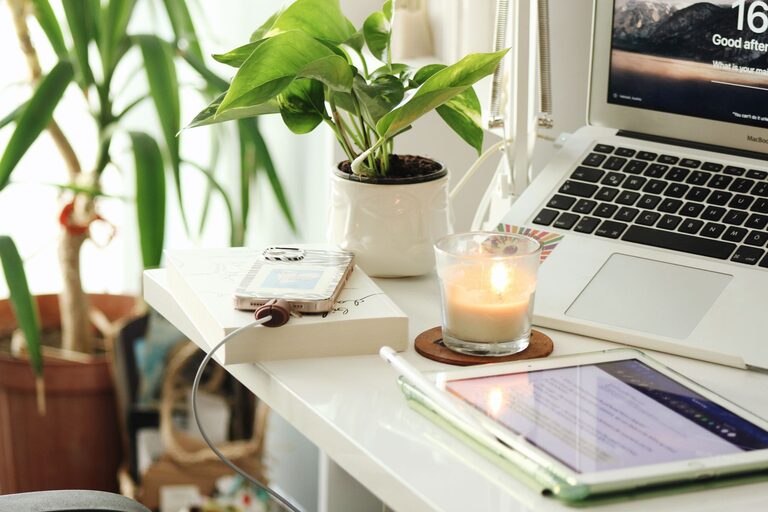
Creating a home office that feels cozy and promotes productivity is a goal for many who work remotely or spend significant time at home. A well-designed workspace can make a big difference in how focused, motivated, and comfortable you feel throughout the workday. Whether you have a dedicated room or a small nook, these tips will help you design an office space that supports both comfort and efficiency.
Why a Cozy Home Office Matters
Setting up a cozy home office is about more than aesthetics—it’s about creating an environment where you enjoy spending time and can do your best work. When your workspace is inviting and functional, it reduces stress and distractions, improves mood, and inspires creativity.
Choosing the Right Location
Find a Quiet Spot
Select a place in your home where you’re least likely to be interrupted. This might be a spare bedroom, a corner in the living room, or a section of the basement. Avoid high-traffic areas to limit noise and distractions.
Consider Natural Light
Natural light can boost your energy and mood. Try to set up your desk near a window, but keep an eye on potential glare. Using blinds or sheer curtains can help adjust lighting to your needs.
Furniture and Layout
Invest in a Good Chair
Comfortable seating is essential. Choose an ergonomic chair that supports your back and encourages good posture. Spending hours in an uncomfortable chair can lead to pain and decreased focus.
Functional Desk Options
Pick a desk that fits your space and work style. If you use mostly a laptop, a smaller desk might suffice. For multiple monitors or paperwork, aim for a larger surface. Adjustable desks that allow sitting and standing positions can add versatility.
Organize with Purpose
Arrange your desk so essentials are within reach, reducing clutter and frustration. Use storage solutions like drawers, shelves, or organizers to keep items tidy and accessible.
Lighting Your Workspace
Proper lighting helps reduce eye strain and fatigue, making it easier to concentrate.
– Layer Your Lighting: Combine ambient light (like overhead fixtures) with task lighting such as desk lamps.
– Opt for Warm Light: Soft, warm lights create a cozy atmosphere, while bright white lights improve alertness.
– Avoid Screen Glare: Position lights and your screen to reduce reflections.
Personalize Your Space
Adding personal touches makes your office feel welcoming and boosts your mood.
– Use Plants: Greenery adds freshness and can improve air quality.
– Artwork and Photos: Inspirational images or pictures of loved ones can provide motivation.
– Comfort Items: A soft rug, cushions, or a cozy throw can make your workspace inviting.
Minimize Distractions
Manage Technology
Keep non-work devices and apps out of reach to avoid temptation. Use noise-canceling headphones if you need to block outside noise.
Set Boundaries
If you share your home, communicate your work hours and needs with family or roommates to minimize interruptions.
Maintain Organization
A tidy workspace helps maintain focus and professionalism.
– Declutter Regularly: Clear your desk at the end of each day.
– Use Labels and Storage: Keep files and supplies organized with bins, labels, and folders.
– Create a Filing System: Store important documents digitally or in clearly marked physical files.
Incorporate Healthy Habits
Include elements in your workspace that encourage wellness throughout the day.
– Keep Water Nearby: Staying hydrated supports concentration.
– Take Breaks: Set reminders to stand, stretch, and rest your eyes regularly.
– Add Movement: Consider a small space for quick stretches or a standing desk option.
Final Thoughts
Designing a cozy and productive home office doesn’t have to be complicated. By focusing on comfort, lighting, organization, and personalization, you can create a workspace that supports your well-being and efficiency. Experiment with different setups until you find what works best for you, and remember that your home office should be a place where you enjoy spending time.