
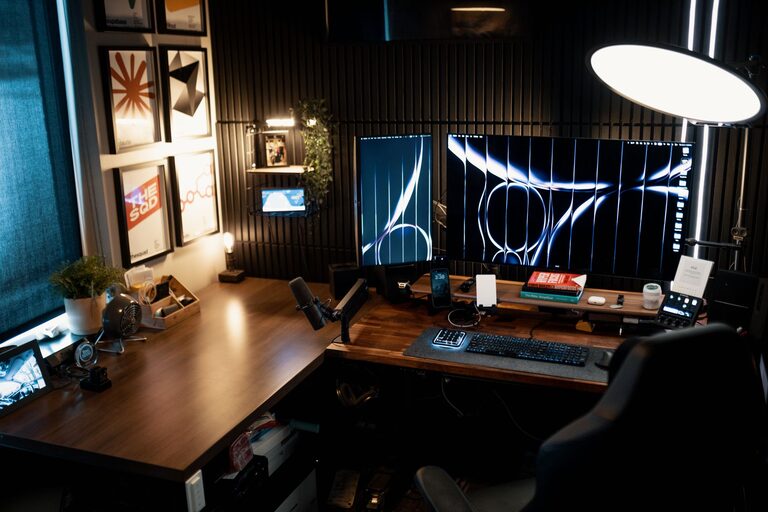
Creating a relaxing home workspace is essential for anyone who works from home or spends significant time on tasks at their desk. A thoughtfully arranged and peaceful environment can boost your productivity, support your mental well-being, and make work feel less stressful. In this post, we’ll explore practical tips to design a soothing and efficient home workspace that helps you stay focused and balanced throughout the day.
Why a Relaxing Workspace Matters
The space where you work directly impacts your mood and effectiveness. Clutter, noise, poor lighting, and uncomfortable furniture can lead to distractions, muscle strain, and mental fatigue. On the other hand, a workspace that feels calming and organized promotes concentration, creativity, and a healthier work-life balance.
Investing time in creating a relaxing home office pays off by making work time more enjoyable and less draining.
Choose the Right Location
Find a Quiet Spot
Select a part of your home where you experience minimal interruptions. This might be a spare room, a corner in the living room, or even a section of the bedroom. Avoid high-traffic areas or places prone to loud noises.
Consider Natural Light
Position your desk near a window if possible. Natural light helps regulate your internal clock, reduces eye strain, and enhances mood. If natural light is limited, opt for soft, warm lighting that mimics daylight.
Select Comfortable and Functional Furniture
Invest in an Ergonomic Chair
A comfortable chair with proper back support reduces the risk of back pain and encourages good posture. Look for adjustable options that suit your height and desk setup.
Choose a Desk that Fits Your Needs
Your desk should be large enough to accommodate your computer, stationery, and other essentials without feeling cramped. Height adjustable desks can add flexibility to your workspace, allowing you to alternate between sitting and standing.
Organize and Declutter
Keep Only What You Need
Remove unnecessary items to free up space and reduce visual distractions. Use cable organizers to manage cords and keep them out of sight.
Use Storage Solutions
Drawers, shelves, and boxes help keep documents and supplies tidy. Label storage containers to quickly find what you need. Organized spaces save time and lower stress.
Personalize with Calming Elements
Add Greenery
Plants bring life into your workspace and can improve air quality. Choose low-maintenance plants like succulents or spider plants that thrive indoors.
Incorporate Soothing Colors
Colors affect mood. Soft blues, greens, and neutrals create a peaceful ambiance. Use these colors in your walls, accessories, or desk items.
Display Inspiring Items
Include a few personal touches such as photos, artwork, or motivational quotes that make you feel positive but avoid overcrowding your space.
Manage Noise and Distractions
Use Noise-Canceling Headphones
If you’re in a noisy environment, headphones can help you focus by blocking out background noise.
Play Ambient Sounds
Soft instrumental music or nature sounds can create a relaxing atmosphere that encourages concentration.
Maintain Healthy Habits
Take Regular Breaks
Stand up, stretch, or take short walks to prevent fatigue and stimulate circulation. Apps and timers can remind you to take breaks every hour.
Stay Hydrated and Nourished
Keep a water bottle nearby and plan healthy snacks to maintain energy levels.
Optimize Technology Setup
Position Your Monitor Correctly
Keep your computer screen at eye level and about an arm’s length away to reduce eye strain and neck discomfort.
Use Proper Keyboard and Mouse Placement
Ensure your wrists are straight and your hands comfortably reach the keyboard and mouse. Ergonomic accessories can support this.
Keep a Consistent Routine
Dedicate specific hours for work to establish boundaries between professional and personal time. Having a predictable routine makes it easier to maintain focus during work hours and relax afterward.
Final Thoughts
A relaxing home workspace supports productivity and overall well-being by reducing stress, encouraging good habits, and creating an environment where you can work comfortably. By choosing the right location, organizing your space, incorporating personal and calming elements, and practicing healthy routines, you can transform your home office into a place where work feels balanced and fulfilling.
Start with small changes and adjust as you go—your ideal workspace is one that meets your unique needs and helps you thrive.