
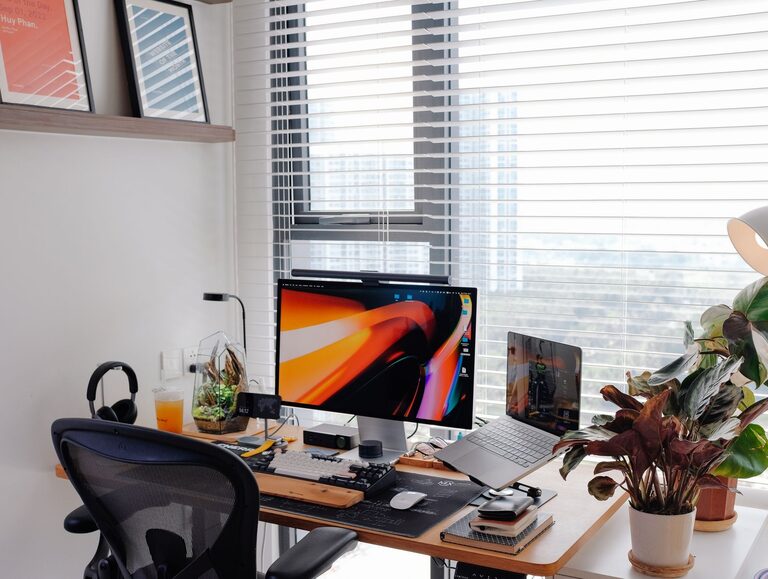
Creating a home office space that is both comfortable and productive can make a significant difference in your work-from-home experience. Whether you are a remote worker, freelancer, or simply need a dedicated area for tasks, having the right setup helps you maintain focus, reduce stress, and stay organized. In this post, we’ll explore practical tips to design an effective home office that fits your needs.
Choose the Right Location
Selecting the perfect spot for your home office is the first step. Ideally, pick a quiet area with minimal foot traffic to reduce distractions. Consider these factors:
– Natural Light: Position your desk near a window if possible. Natural light improves mood and alertness.
– Privacy: If you share your living space, choose a spot where you can have privacy during calls or focused work.
– Space: Ensure there is enough room for your desk, chair, and any necessary equipment without feeling cramped.
If space is limited, explore options like using a foldable desk or converting a corner of a room into a functional workspace.
Invest in Ergonomic Furniture
Comfort is key when working long hours. Ergonomic furniture supports your body and prevents strain. Here are essential items to consider:
– Adjustable Chair: Choose a chair with good lumbar support, adjustable height, and armrests.
– Desk Height: The desk should allow your elbows to be at a 90-degree angle when typing.
– Footrest: A footrest can relieve pressure on your legs, especially if your feet don’t touch the floor comfortably.
Using ergonomic tools helps you avoid discomfort and keeps your energy levels up throughout the day.
Organize Your Workspace
A clutter-free workspace promotes focus and efficiency. Use these organizational tips:
– Storage Solutions: Incorporate shelves, drawers, or filing cabinets to keep documents and supplies tidy.
– Cable Management: Use clips or cable organizers to prevent cords from tangling.
– Desk Essentials Only: Keep only the items you use daily on your desk to reduce distractions.
Organized spaces also make it easier to transition between work tasks and breaks.
Optimize Lighting
Proper lighting reduces eye strain and creates a pleasant atmosphere. Consider the following:
– Task Lighting: Use a desk lamp with adjustable brightness and direction.
– Ambient Light: Soft overhead lighting can complement natural light for balanced illumination.
– Avoid Glare: Position screens to avoid glare from windows or lights.
Good lighting can improve concentration and reduce fatigue.
Personalize Your Space
Adding personal touches can make your office inviting and inspiring. Ideas include:
– Plants: Indoor plants boost air quality and add a calming green element.
– Artwork or Photos: Display images that motivate or make you happy.
– Color Scheme: Choose colors that energize or relax you, depending on your preference.
A personalized workspace helps create a mood that supports productivity.
Minimize Distractions
Reducing interruptions is essential for a productive work environment. To minimize distractions:
– Noise Control: Use noise-canceling headphones or white noise machines if needed.
– Set Boundaries: Communicate your work hours to family or housemates.
– Separate Work and Leisure: Avoid keeping personal items like TVs or games nearby.
Creating a focused environment helps you get more done in less time.
Incorporate Technology Wisely
Technology is a vital part of any home office, but too much can overwhelm. Tips include:
– Essential Devices: Ensure your computer, printer, and any accessories are reliable and suited to your tasks.
– High-Speed Internet: A stable connection supports video calls and fast downloads.
– Backup Solutions: Use cloud storage or external drives to protect your work.
Effective tech setup simplifies your workflow and prevents interruptions due to technical issues.
Maintain a Healthy Routine
Your home office supports your work, but your habits matter too. Promote well-being by:
– Taking Breaks: Use techniques like the Pomodoro method to work in focused intervals with rest periods.
– Stretching: Stand up and stretch regularly to prevent stiffness.
– Hydration: Keep water nearby to stay hydrated.
Healthy routines improve productivity and keep you feeling your best.
Final Thoughts
Designing a home office that combines comfort and productivity is an ongoing process. Experiment with different setups and habits until you find what works best for you. Remember, your workspace should support your work style and promote balance. With the right planning, you can create a home office that motivates and energizes you every day.